Technically Speaking | 8 OCTOBER 2026
How Metalized Plastic Parts Deliver Performance and Design Benefits
Tech Tips from Our Engineers at Bamberger Amco Polymers
Plastic Metallization and Metalized Plastic Parts
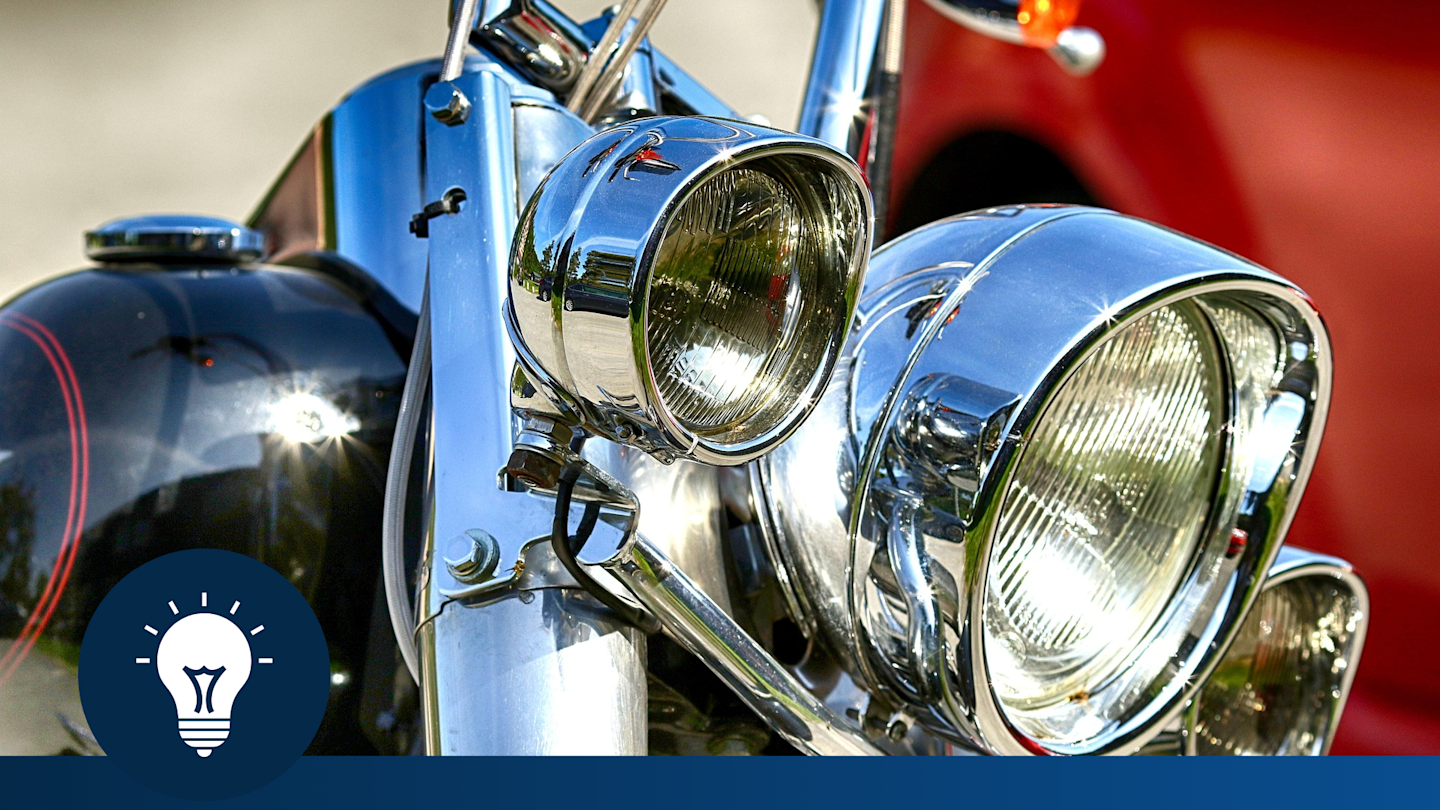
Plastic metallization has become a popular manufacturing technology for products that benefit from the appearance and performance of metal but prioritize weight reduction and cost savings. From automotive trim and consumer electronics to medical devices and industrial equipment, metalized plastic parts offer aesthetics, durability, and functionality that engineered plastics typically can’t achieve.
Metallization technologies used today include electroplating, electroless plating, vacuum metallization, and physical vapor deposition (PVD) coating. Each process applies a thin layer of metal to a polymer substrate, transforming a plastic part's exterior while providing benefits like improved wear resistance, electrical conductivity, corrosion protection, and EMI/RFI shielding.
Understanding the right resin and coating technology for your use-case can maximize adhesion and long-term performance.
Why Manufacturers Choose Metalized Plastic Parts
Metal plating on plastic components lets manufacturers achieve the look and performance of metal without the weight, cost, and other design limitations that typically apply.
Key advantages of the process include:
• Reduced component weight
• Metallic appearance, with a higher perceived value
• Improved scratch and abrasion resistance
• Increased corrosion resistance
• Electrical conductivity (when required)
• EMI and RFI shielding capabilities
• Greater design flexibility than metal fabrication
• Lower manufacturing and transportation costs
Metallization Methods
Each method for metallizing plastic parts has unique advantages, limitations, and ideal applications. Selecting the right technique depends on cost, adhesion, material compatibility, and required coating performance.
Vacuum Metallization
Also called vacuum deposition, vacuum metalizing is attractive thanks to its low relative cost and the fact that it doesn't require exposure to chemical mixtures. A lack of air (and air pressure) in the vacuum chamber helps lower the boiling point of coating metals and prevents oxidation.
The process works like this: plastic parts are fixed on a turntable inside a vacuum chamber. A filament, usually tungsten, is used to evaporate a metal coating (like aluminum or copper) by heating it to around 1500 °C.
The plastic fixture is rotated within the coating's vapor cloud, letting the vapor condense and leaving a thin layer deposited on the part. For more abrasion resistance, a second coat can be applied.
Flame Spraying
A method with a low cost and high material deposit rate, which is useful for creating thick layers quickly.
As the name implies, a handheld device is used to apply metallic powder that's heated and melted using a flame. The flame is fed by a mixture of oxygen and gaseous fuel, which helps to dispense the coating material.
The coatings achieved with this method are usually porous and rough.
Arc Spraying
The most cost-efficient metallization method (only requiring minimal training), arc spraying involves two wires of metallic material, which carry direct current.
When the wires touch at the tips, enough energy is produced to melt them. A stream of gas flowing between the wires deposits the resulting molten metal.
Electroplating
This process starts with immersing a plastic part in concentrated sulfuric and chromic acid for etching. Etching covers the part's surface with microscopic holes, which the first layer of metal in the electroless process needs to adhere correctly. Neutralization in an alkaline mixture stops the acids from further degrading the part.
Next, the part is coated with a catalytic film and carefully cleaned. After that, electroless plating applies a thin layer of nickel or copper to promote conductivity for electroplating.
Electroplating starts with negatively charging the conductive coating. When the part is finally immersed in a tank containing positively charged chrome ions, the resulting reaction ensures an incredibly even coating layer.
Common Applications of Metalized Plastic Parts
The Best Plastics for Metallization
Not all thermoplastics are a fit for the plating and metallization process. The most common, successfully plated resins include:
Frequently Asked Questions
Your Partner in Plastic Metallization
Let Bamberger Amco Polymers’ technical knowledge of engineering polymers and metallization methods support your team as you develop cutting-edge, medical, industrial, and automotive applications.
Featured Expert: David Katz

David is a renowned Technical Service Engineer with over 30 years of industry experience.
As a customer advocate, he supports our sales & marketing efforts through his expertise in material selection, conceptual design, design review, injection molding, extrusion processing, blow molding, troubleshooting, tooling review, and scientific molding education.
Technically Speaking: Tips & Material Insights
Technically Speaking is a content series empowering product designers, molders, and processors with practical knowledge and real-world insights. These tips are drawn from decades of experience in materials science and application development to help you solve problems faster and smarter. Bamberger Amco Polymers, a leading provider of technical polymer solutions. With a diverse portfolio and one of the most knowledgeable tech teams in the industry, we help our customers overcome challenges and bring better products to market.
If you’re unsure which material meets your product requirements, our technical team can help guide you through material selection and regulatory compliance.
Disclaimer: The information provided in this post is intended solely for general guidance. Outcomes vary based on individual circumstances, and Bamberger Amco Polymers “BAP", "BA Polymers” does not ensure a specific result. Clients shall use their own independent skills and expertise when testing any application of technical support. Bamberger Amco Polymers is not responsible and will not be liable for any discrepancies between expected and actual outcomes. Bamberger Amco Polymers DISCLAIMS ALL WARRANTIES, WHETHER EXPRESS OR IMPLIED, INCLUDING WITHOUT LIMITATION ANY WARRANTIES OF MERCHANTABILITY OR FITNESS OF A PRODUCT FOR A PARTICULAR PURPOSE.