Bamberger Amco Polymers
Products
Solutions
Markets
Resources
Sustainability
About
Contact Us
Blog

Login

BLOG | 25 February 2025

What is a Thermoplastic Elastomer (TPE)?

Author Insights from our Engineers at Bamberger Amco Polymers

Blog
What is a Thermoplastic Elastomer (TPE)?
Blog

Thermoplastic Elastomers (TPEs) are low-modulus, flexible materials that can be repeatedly stretched at room temperature and then return to (roughly) their original size.

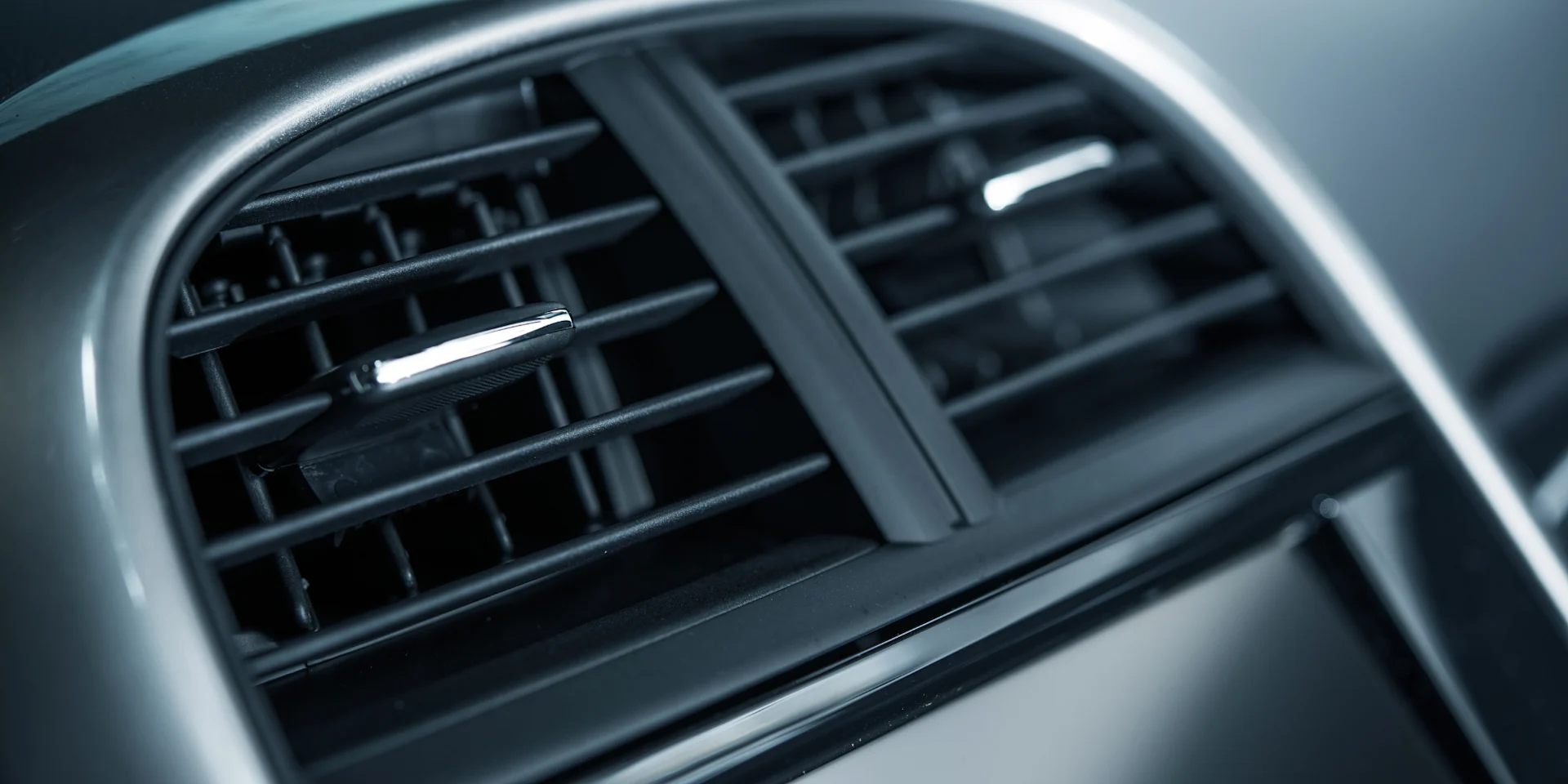
They're incredibly versatile and used in market segments like mobility, agriculture, consumer goods, electronics, telecommunications, firearms, pharmaceuticals, sports, and cable applications.

All TPEs are colorable and can be processed using common methods like extrusion, injection molding, blow molding, blown film, and calendaring.

With decades of expertise and a wide thermoplastic portfolio, Bamberger Amco can guide your TPE product development and connect you with the right elastomers for your application!

BAP: Blogpage_Image_TPE

What Are the Different Types of TPE?

Thermoplastic elastomers offer a huge range of properties and advantages for your applications. Learn about the more common TPEs and their features below:
Description: Polypropylene compounded with SEBS Synthetic Rubber

Cost: Lowest cost, lowest performance

Properties:

  1. Available in general purpose, unfilled, and filled grades
  2. Can be glossy, tacky, clear, translucent, or opaque
  3. Soft feel
  4. Over-molding compatible, with good adhesion to substrates
  5. Low heat resistance
  6. Good chemical resistance (acids, bases, alcohols, detergents)
  7. Good hydrolytic stability
  8. UV stability
  9. Safe for food contact, with biocompatible grades available
  10. Hardness can range from 5 Shore A to 95 Shore A

Description: Polypropylene compounded with EPDM Rubber

Cost: Moderate cost, moderate performance

Properties:

  1. Less tacky than SEBS
  2. Matte appearance; only available in an opaque finish
  3. Over-molding compatible, with good adhesion to substrates
  4. High heat resistance
  5. Low compression set
  6. Chemical resistance (acids, bases, alcohols, non-hydrocarbon-based oils and substances)
  7. Safe for food contact, with biocompatible grades available
  8. Hardness can range from 25 Shore A to 95 Shore A

Description: Aromatic or Aliphatic Isocyanate Hard Segment Polymerized with Polyester or Polyether Polyol Soft Segment

Cost: Moderate to High Cost, High Performance

Properties:

  1. Excellent toughness
  2. Excellent abrasion resistance
  3. Excellent cut and tear resistance
  4. Good compression set
  5. Available in glossy, clear, translucent, and opaque grades
  6. Over-molding compatible, with good adhesion to substrates
  7. Safe for food contact, with biocompatible grades, UL Listings, and NSF-approved grades available
  8. Hardness can range from 60 Shore A to 80 Shore D

Description: Compounded blend of COPE, Chlorinated Ethylene & other proprietary constituents

Cost: Moderate to high cost, moderate to high performance

Properties:

  1. Low squeak
  2. Good abrasion resistance
  3. Good chemical resistance
  4. Excellent weatherability and environmental resistance
  5. Maintains flexibility over a wide temperature range
  6. Over-molding compatible, with good adhesion to substrates
  7. Matte, clear, translucent and opaque grades
  8. Hardness range from 50 Shore A to 95 Shore A

Description: Ester hard segment polymerized with Polyether Polyol soft segment

Cost: High cost, high performance

Properties:

  1. Resilient through repeated flexures
  2. Flexible in low temperatures
  3. Excellent high-temperature performance
  4. Creep and kink-resistant
  5. Good resistance to chemicals, oils, and solvents
  6. Glossy and opaque grades available
  7. Hardness range from 80 Shore A to 75 Shore D

Description: Nylon-based Elastomer, Polyamide hard segment polymerized with Polyether Polyol soft segment

Cost: High cost, high performance

Properties:

  1. Good low-temperature flexibility and impact resistance
  2. Excellent dynamic properties (resilience, hysteresis, repeated flexures, flex-fatigue-resistance, kink-resistance)
  3. Excellent hydrolytic stability
  4. Low coefficient of friction
  5. Glossy and opaque grades available
  6. Hardness range of 75 Shore A to 80 Shore D

BAP: Blogpage_Image_TPE v2

How Do I Choose the Right TPE for My Application?

Consider the following factors and decide which ones are priorities for your product:

Application development hinges on how your product will ultimately be used; our specialists will discuss every design with you in-depth to get a full picture of your needs.


Material properties to consider include: hardness, stretch, compression set, abrasion and tear resistance, resistance to bending, adhesion to substrates, energy absorption, and acoustic dampening, as well as any reinforcements or enhancements that your application may need to meet your goals.


How a material looks and feels can make a big difference in your application. If you're developing a medical prosthetic, matching skin tone will be an important factor. If the item is a toy, you'll probably want vibrant colors.

You may need high surface friction (achieving a tacky, grippy exterior), a dry, silicone-like feel, or something silky smooth, bordering on slippery. Surface finishes are largely divided into glossy or matte, while color options include transparent, translucent, opaque, or pre-colored grades.


Thermoplastics need to perform in environments with varying levels of heat and corrosive chemicals, such as electrical manifolds and medical fluid tubes. The following are some important considerations that our resin specialists will review with you.

● Temperature requirements: in addition to minimum and maximum constant-use temperatures, we'll want to know how long your application will have to endure extreme temperatures.

● UV exposure and weather: are you creating indoor or outdoor applications? Will they constantly deal with the elements or only put up with them occasionally?

● Chemical resistance: splash exposure or full submersion? We want to know about the fluid temperatures and chemical types (acid, base, fuel, oil, cleaning solution) that your product stands up to.

● Load and flex: how much pressure will your part be under? Will it get repeatedly flexed or extended?


Many TPE applications need certification by a regulatory agency or some OEM approval. The most common standards are:

  1. REACH SVHC and RoHS compliance
  2. UL certification (flammability and weatherability)
  3. OEM automotive approvals
  4. FDA and EU food contact compliance
  5. FDA toy safety compliance
  6. Medical ISO 10993 or USP Class VI compliance
  7. NSF 51 and 61 compliance

You have countless options when it comes to machining thermoplastic. The method you choose should depend on production quantity and a careful cost-benefit analysis with our experts.

See if injection molding, extrusion, blow molding, over-molding, co-extrusion, blown film, or calendaring is right for your project.


Cost drives most manufacturing decisions. Our resin specialists will guide you through your materials options and explore cost-saving options like additives, which can offset cost while preserving the integrity of your end product.


Want to learn more about Thermoplastic Elastomers (TPEs)? Get in touch.

More from Bamberger Amco Polymers

Gain valuable insights from our experienced engineers tackling real-world challenges. Follow our Technically Speaking & Blog Insights series. Subscribe for updates to learn more from Bamberger Amco Polymers.

Click here to subscribe.

Disclaimer: The information provided in this post is intended solely for general guidance. Outcomes vary based on individual circumstances, and Bamberger Amco Polymers ("BAP", "BA Polymers") does not ensure a specific result. Clients shall use their own independent skills and expertise when testing any application of technical support. Bamberger Amco Polymers is not responsible and will not be liable for any discrepancies between expected and actual outcomes. Bamberger Amco Polymers DISCLAIMS ALL WARRANTIES, WHETHER EXPRESS OR IMPLIED, INCLUDING WITHOUT LIMITATION ANY WARRANTIES OF MERCHANTABILITY OR FITNESS OF A PRODUCT FOR A PARTICULAR PURPOSE.

Get our take on key plastics developments as they happen.


Bamberger Amco Polymers
Knowledge
SustainabilityResourcesNews & Articles
Company
Terms and PoliciesCookie Preferences
Bamberger Amco Polymers
(800) 262-6685

1900 Summit Tower Blvd

Suite #1500

Orlando, FL 32810

Bamberger Amco Polymers
info@bapolymers.com

Ravago
Bamberger Amco Polymers. All rights reserved. Member of the Ravago Group